

 日本語
日本語
Modern software teams work fast. They ship new features under tight deadlines. However, many teams treat security as a quick final check before release. This bad habit creates huge risk for digital products. Therefore, adopting shift left security in SDLC is critical for tech leaders today.
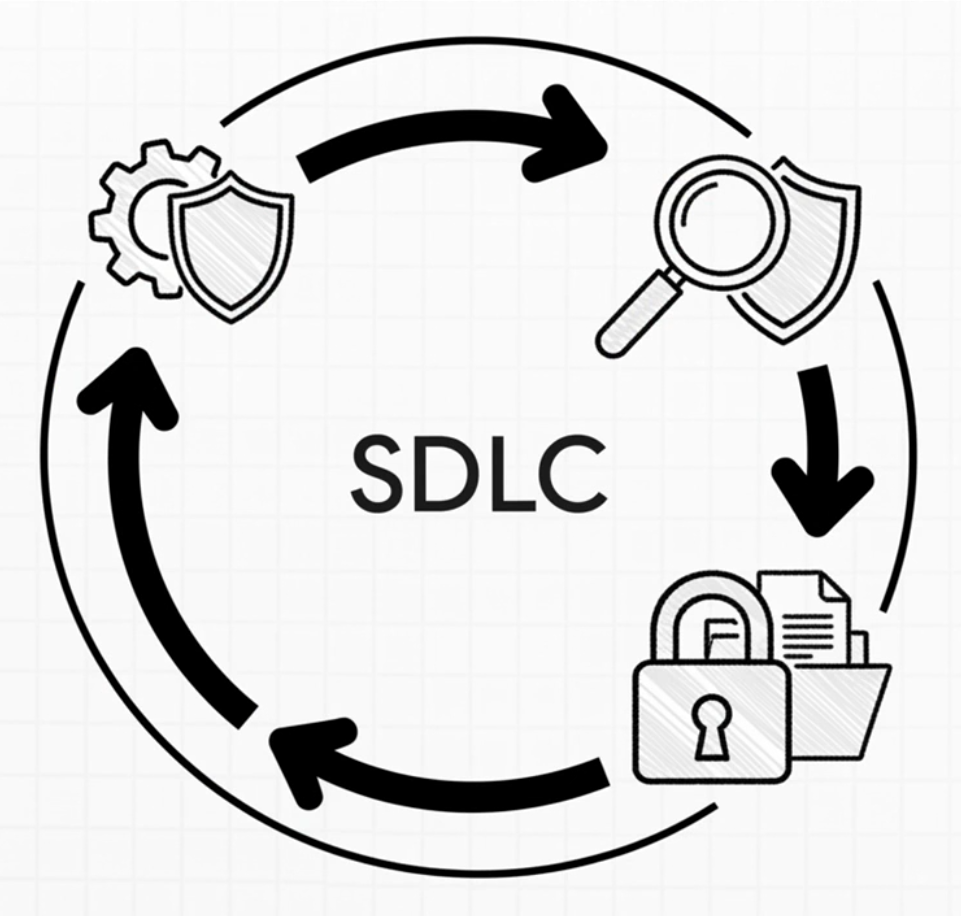
Data breaches cost companies millions of dollars. In fact, fixing a security bug in live code costs 100 times more than fixing it early in design. That is why smart teams embed security checks into every phase of their build cycle.

Fix Security Risks in Early Design
You build safer software when you check risks early. If you wait until late testing, fixes become hard and expensive. Smart engineers review software plans before they write the first line of code.
Early Architecture Reviews Save Money
Payment systems must meet strict PCI DSS Standards. These engineering teams map out security risks long before deployment. As a result, early design checks cut long-term bug fix costs in half.
Add Automated Guardrails in CI/CD
Code changes fast during daily build cycles. Manual code checks are slow and create delays for dev teams. Therefore, tech teams need fast tools that work automatically inside their workflows.
Fast Automated Scanners for Shift Left Security
To speed up testing, developers add automated scanning tools directly to their CI/CD pipelines. These tools catch weak code, risky dependencies, and bad settings in real time. Thus, teams fix major bugs in hours instead of waiting weeks.
Mix Automated Tools with Human Testers
Automation provides great speed, but tools often miss logical tricks. For instance, a scanner finds old software versions, but it cannot guess how a hacker alters a URL to steal user data.
Smart Ethical Hacking and Bug Bounty Programs

Therefore, teams must pair automated tools with expert code tests. Security researchers inspect application logic from the inside to find hidden flaws. Also, managed bug bounty programs invite top ethical hackers to test system limits. This combined approach helps teams catch 3 times more critical bugs.
Keep Apps Safe After Launch
Security work does not stop when you deploy your code. On the contrary, new cyber threats appear every single day in live environments.
Effective engineering teams focus on three key actions:
- Live Traffic Monitoring: Scan app traffic continuously to catch attack attempts in real time.
- Data Leak Detection: Search public sites and dark web forums to find leaked staff passwords fast.
- Server Hardening: Update active server rules regularly to block up to 70% of attack paths.
Research-Led Tech: Why Quality Matters
High quality products require strong engineering discipline. Therefore, top tech teams follow proven research standards.
At Solashi, we build safe systems for fast-growing global markets. You can explore our build methods through Solashi Custom Software Solutions and review our work in Solashi Product Case Studies.
Frequently Asked Questions About Shift Left Security in SDLC
What does shift left security in SDLC mean?
It means you test software safety at the start of a project instead of waiting until right before launch.
How does it reduce software development costs?
Fixing a bug during early design is up to 100 times cheaper than fixing a security breach in live code.
Does shift left security slow down developers?
No. Automated build tools give instant feedback, so developers fix bugs in minutes without missing launch dates.
What tools work best for shift left security in SDLC?
Teams use automated SAST, DAST, and dependency scanners like Snyk or SonarQube. These tools check code automatically inside build pipelines.
Who is responsible for security when shifting left?
Everyone shares jobs. Developers, software testers, and security engineers work together from the very start of a project.
How do teams start implementing shift left security in SDLC?
Start small. First, add automated code scanners to your repository. Next, train developers on basic safety rules and run threat reviews early.
What is the difference between shift left and traditional security?
Traditional security tests apps right before launch. Shift left security tests software continuously from the design stage all the way to production.
The Bottom Line
Testing security late costs too much time and money. Fixing bugs early in design keeps code safe and saves cash. Fast tools plus human hackers help teams launch safe software fast.
Conclusion: Transform Your SDLC with Solashi
Security is not a last-minute check; it is a smart way to build customer trust. When you apply the best secrets of shift left security in SDLC, you turn risk management into a true business edge.
Is your current software setup strong enough to stop modern cyber attacks? Schedule an SDLC Security Audit with Solashi’s Engineering Team to protect your product architecture today.