

 日本語
日本語
Enterprise data privacy is now the first question buyers ask a vendor. In fact, it sits ahead of price and speed. The reason is simple. For example, in 2025, EU regulators issued €1.2 billion in GDPR fines. Moreover, total fines since 2018 hit about €5.88 billion.
In addition, third-party vendors drove 136 breach events in 2025. As a result, these events hit 719 named victims. Meanwhile, 26,000 more firms felt the impact. So handing production data to a vendor now carries board-level risk.
However, product teams still need data. First, they need it to build features. Second, they need it to test edge cases. Third, they need it to benchmark. As a result, the tension is clear. On one hand, teams need data. On the other hand, they cannot share it. So this is the core privacy problem today.
At Solashi, we solve this with a synthetic data first model. Specifically, this guide covers three things. First, the real risks you face. Second, the framework Solashi uses on each project. Finally, a checklist to score any ITO vendor.
Why Enterprise Data Privacy Now Drives Vendor Choice
Overall, three shifts changed the risk math in 2025 and 2026.
First, rules put more weight on vendor oversight. Specifically, EU staff now focus on GDPR. These cover your role as a data owner. Importantly, when a vendor causes a leak, staff check your oversight too. In short, they no longer stop at the vendor.
Second, cross-border data rules got harder. For example, TikTok drew a €530 million fine in May 2025. It was for EU to China data flows. Meanwhile, Malaysia’s new PDPA is now in force. Notably, it adds DPO and breach notice rules. Likewise, India’s DPDP Rules passed in November 2025. So buyers now treat vendor data posture as a live compliance question.
Third, leaks in test setups are now easy to count. For example, one 2026 survey found 76% of firms had a data leak in a test setup. In contrast, only 9% called their SQL data fully compliant. In short, most leaks start in dev and staging. Notably, that is where outside teams work each day.

The Real Cost of Sharing Production Data
Overall, four costs open up the moment you grant access. Also, each one shows up fast.
Fines and Rules
To start, GDPR max fines hit €20 million or 4% of global sales. Whichever is higher wins. Also, the CMS Tracker logs 2,245 total fines. On average, each fine hits €2.36 million. Meanwhile, breach reports rose 22% year over year in 2025.
In addition, Malaysia’s PDPA adds DPO and breach rules. Likewise, India’s DPDP framework is now in force. So each new access point gives staff more to audit.
To start, deals now push liability down to the main vendor. Also, MSAs embed audit rights. These reach any ODC firm that touches live data. So one leaked record can trigger fines, credits, or exit.
Blast Radius
For example, in 2025, 62% of top shared vendors had creds in stealer logs. Also, 84% carried high CVSS flaws. As a result, when data lives on vendor laptops or dumps, one leak spreads fast.
Insider and Social Risk
Notably, even without a hack, quiet leaks happen. For example, dev laptops hold data. Likewise, pair coding sessions capture data. In addition, Git commits can store data. Sadly, most of these paths sit outside SOC checks.
How Synthetic Data Solves Enterprise Data Privacy at Its Root

To begin, synthetic data is fake data with real traits. Specifically, it keeps the stats, shape, and edge cases of live data. However, it holds no real records.
Notably, Gartner projects 75% of firms will use gen AI to make synthetic data by the end of 2026. In contrast, that figure sat under 5% in 2023. Moreover, Gartner sees synthetic data growing three times faster than real data through 2030.
In short, the logic is simple. Basically, you cannot leak what you never held. So synthetic data breaks the trade-off between speed and privacy.
Schema First Dev
To start, the vendor gets the data model. Also, it gets rules and constraints. Then the vendor makes its own test data. Importantly, no real records leave the client. As a result, DPIA scope shrinks. Likewise, cross-border clauses get easier to sign.
Real Stats
Basically, modern tools keep the shape of your data. Also, they keep table links intact. Moreover, they hold key ratios. Even seasonal trends stay in place. So a synthetic dataset shows the same fraud rate as live data. Still, no real user sits behind any row.
Edge Case Injection
Importantly, synthetic data lets you inject rare cases on demand. Take fraud as an example. On one hand, live data holds few fraud cases. On the other hand, synthetic data lets you build a balanced set. Specifically, you add enough fraud cases to train the model. Likewise, QA can inject rare bugs.
Solashi’s Synthetic Data and Environment Split Framework
Basically, Solashi runs the same four step flow on each project. For example, the client may be a Japan fintech or a Malaysia eKYC firm. Still, the framework stays the same. Notably, it sits inside our AI SDLC delivery process. Also, it builds on our 9 critical stages SDLC guide.
Step 1: Schema Intake
At kickoff, the client sends three things. First, the data model. Second, the rulebook. Third, anon stats where useful. Specifically, these cover row counts and shapes. Importantly, Solashi staff never touch live dumps or real IDs.
Step 2: Layered Synthetic Data
Overall, Solashi builds synthetic data in three layers. Also, each layer maps to a dev phase.
To begin, Layer 1 is structural. Specifically, it is small and schema-valid. So it fits feature dev and unit tests.
Next, Layer 2 is behavioral. In detail, it is medium in size. Also, it holds business rules and typical shapes. So it fits integration tests.
Finally, Layer 3 is load and edge. Specifically, it is high volume. Also, it stresses infra and injects rare paths. So it fits perf tests and regression runs.
In addition, Solashi versions each layer. Also, we log its source. Then we rebuild it from seeds on demand. Importantly, teams can share test data with no leak risk.
Step 3: Environment Split
Basically, Solashi keeps a strict split. On one side, synthetic data lives in the dev setup. On the other side, live data stays with the client. Importantly, Solashi staff never hold live access by default. However, when a live issue comes up, the client’s own team runs the check. Specifically, they use shared runbooks. Meanwhile, Solashi helps on screen shares.
Step 4: Clean Handover
At handover, the client gets four things. First, the code. Second, the synthetic data tools. Third, infra as code. Finally, full docs. Importantly, the client kept live data the whole time. So there is no data move step. Also, no copy sits on a vendor laptop. Likewise, no lock-in on Solashi to rebuild tests. In short, this is the core of our #BuildForHandover series.
When Synthetic Data Wins, and When It Does Not for Enterprise Data Privacy
Overall, synthetic data covers most dev phases well. Still, honest scoping matters. Basically, here is where it wins and where it needs help.
To start, synthetic data wins for feature dev and unit tests. Also, it wins for load tests and edge cases. Likewise, it fits sales demos and team training.
However, synthetic data needs help for a few cases. For example, final ML validation is one. Also, forensic review is one. In addition, audit reports are one. In these cases, Solashi runs a client-led flow. Specifically, the client’s own team touches live data. Meanwhile, Solashi uses only the aggregated outputs.
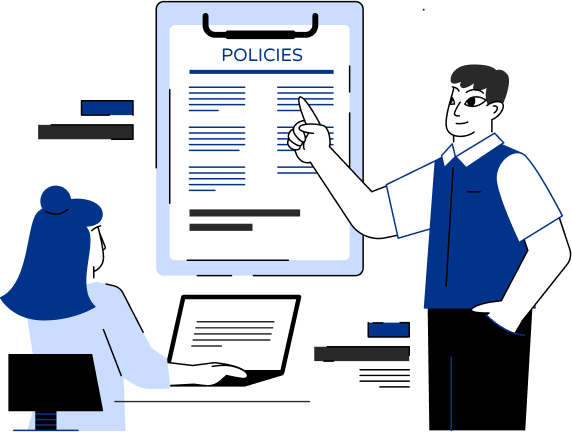
A Practical Enterprise Data Privacy Checklist for Choosing an ITO Vendor
Basically, use this list during vendor choice. Notably, weak answers here signal risk.
First, does the vendor ask for live data by default?
Second, can the vendor show how synthetic data keeps real stats?
Third, does the vendor split dev and live setups with clear access rules?
Fourth, does the vendor hand over synthetic data tools at project end?
Fifth, does the vendor hold ISO 27001?
Sixth, when live access is truly needed, does the vendor run a client-led flow?
Seventh, are all subprocessors listed in a DPA?
Finally, can the vendor show breach steps with clear timelines?
Notably, Solashi says yes to each of these by default. Also, ISO 9001 and ISO 27001 back this stance. So if you scope a Japan or EU project, this list gives you a clean baseline.
Frequently Asked Questions
What is enterprise data privacy in software outsourcing?
Basically, enterprise data privacy covers the controls that guard your live data. It applies when an outside vendor builds your software. Specifically, the controls sit in three groups. In detail, they are tech, contract, and org. Notably, scope covers rules, subprocessor checks, environment split, and data flow from start to handover.
Is synthetic data legal under GDPR and PDPA?
Yes. Generally, synthetic data with no real records sits outside GDPR and PDPA. In short, it is not personal data. Still, the build step must not leak source data. For example, Solashi builds synthetic data from schema and rules. In contrast, we never build it from real records. So the output stays clean of the personal data test.
How does synthetic data affect dev speed?
Usually, synthetic data speeds up dev. Specifically, teams make the exact data they need on demand. So they skip data setup tickets. Moreover, rare bugs show up right away. As a result, QA cycles shrink.
Can synthetic data support AI and ML?
Yes. In fact, synthetic data is now core to AI and ML work. Notably, Gartner sees synthetic data growing three times faster than real data through 2030. Take fraud or rec models as examples. In these cases, synthetic data with rare classes often beats live data.
What does Solashi do that other Vietnam ITO firms do not?
Basically, our enterprise data privacy stance runs as the default. Specifically, each project starts with schema intake. Also, each setup stays split. Moreover, each handover ships synthetic data tools to the client. Importantly, ISO 9001 and ISO 27001 back this stance. In addition, a Japan-facing culture backs it up.
Start With a Privacy-Safe Chat regarding Enterprise Data Privacy
In short, enterprise data privacy is the model your vendor ships from day one. However, if you treat it as a post-signature checklist, you get the exact risk this guide covered.
Notably, Solashi built its model around synthetic data and environment split. Basically, our clients want this stance as a baseline. For example, they include Japan fintechs, Malaysia eKYC firms, and Vietnam platforms.
Ready to start your software development process? Book a 20-minute consultation with Solashi and let us show you how we work.

